80 Pulls
Guaranteed SSR with 50/50 featured chance.
Getting started in *Seven Deadly Sins: Origin* can feel overwhelming at first, especially with its mix of open-world exploration, gacha mechanics, and deep progression systems. However, once you understand the fundamentals, the game becomes much more intuitive—and even generous compared to other titles in the genre. This guide is organized step by step so you can unlock systems quickly, build a stable roster, and avoid common resource traps.
Your journey begins with the tutorial, which introduces the core mechanics. While the story might be interesting for fans of the series, it’s not essential early on. If your goal is to progress efficiently, you can safely skip most of it and move forward. So finish the tutorial fast and start pushing story progress. Early story chapters unlock major account systems like co-op features, additional modes, and more currency sources.
Your first free units are Tioreh (SR), and Tristan (SR), they both are good enough for early content. You do not need a perfect team on day one. The main objective is to unlock features and gather enough pulls for your first strong SSR core.
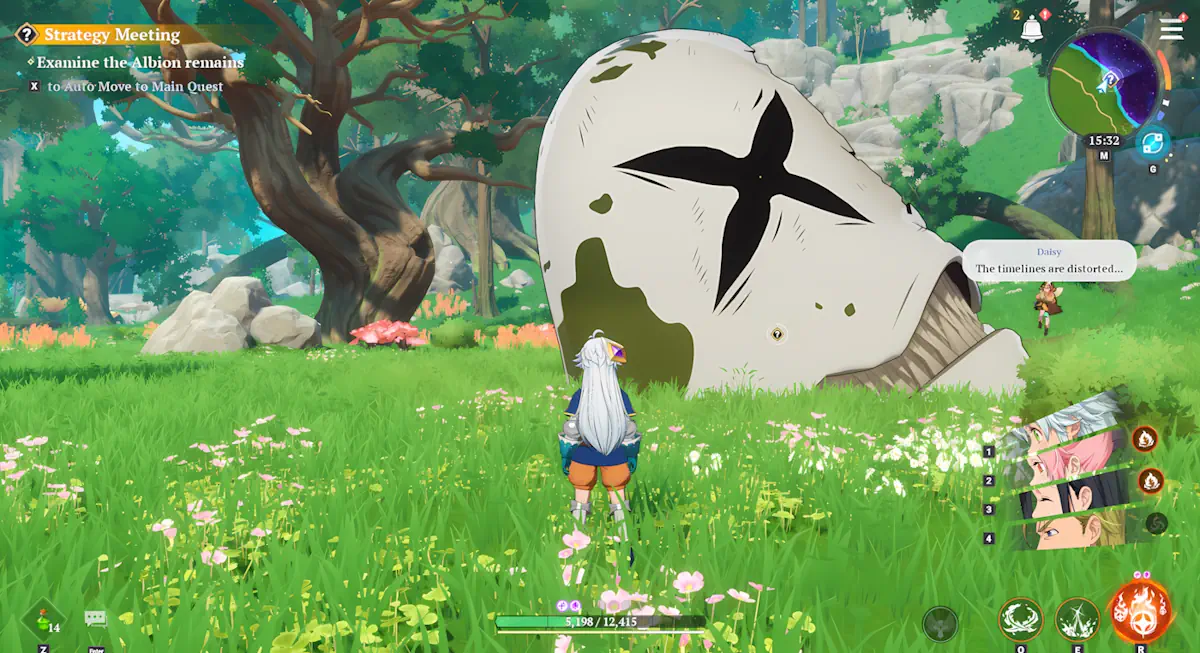
As is the case in many other gacha-style action RPGs, in Seven Deadly Sins Origin, you’ll always have a party consisting of three characters. It’s important to note that each character doesn’t have a traditional leveling system; that is, you can increase their Mastery, equip them with armor, and so on. But they don’t have a level system ranging from 1 to 60, for example. What they do have is a number based on their “power level.” Likewise, each character contributes their stats to a general pool of stats. For example, there’s the shared HP bar, which increases with the HP of every character you have. That said, they do have individual attack values; in other words, a character with low attack will deal less damage than one with high attack.
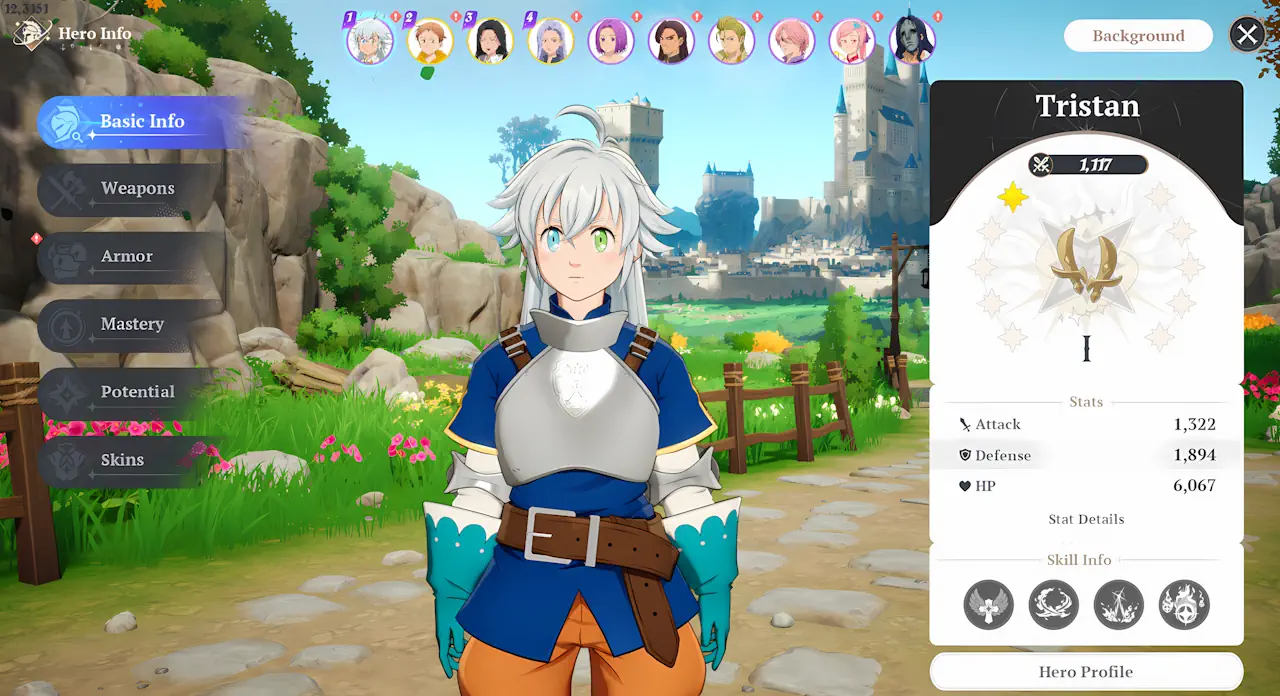
Each of these characters can equip 3 different types of weapons and possess different elements. You can only have 1 active weapon in battles, and this is associated with an element (such as Ice, Fire, etc.). You can form lineups based on their synergy, as in many other RPGs. And as in various Gacha games, SSR characters will have better stats and skills. Here is the complete list of characters in the game, along with their rarity and element: 7DS Origin Characters.
One of the most beginner-friendly aspects of 7DS: Origin is its summoning gacha system. Unlike many gacha games, it provides strong guarantees that make your pulls feel meaningful. You are guaranteed an SSR character within 80 pulls, and there is a 50/50 system in place for featured units. If you don’t get the featured character the first time, the next SSR will be guaranteed to be that unit. On top of that, there is an additional safety net: at 120 pulls, you will receive the featured character regardless of previous results.
What makes this system even better is that this 120-pull milestone continues progressing even if you get the character early. This means your investment is never wasted, which is a huge advantage for free-to-play players. Another important detail is that there is no weapon gacha system. This removes a major layer of RNG and ensures that progression is tied more to gameplay than luck.
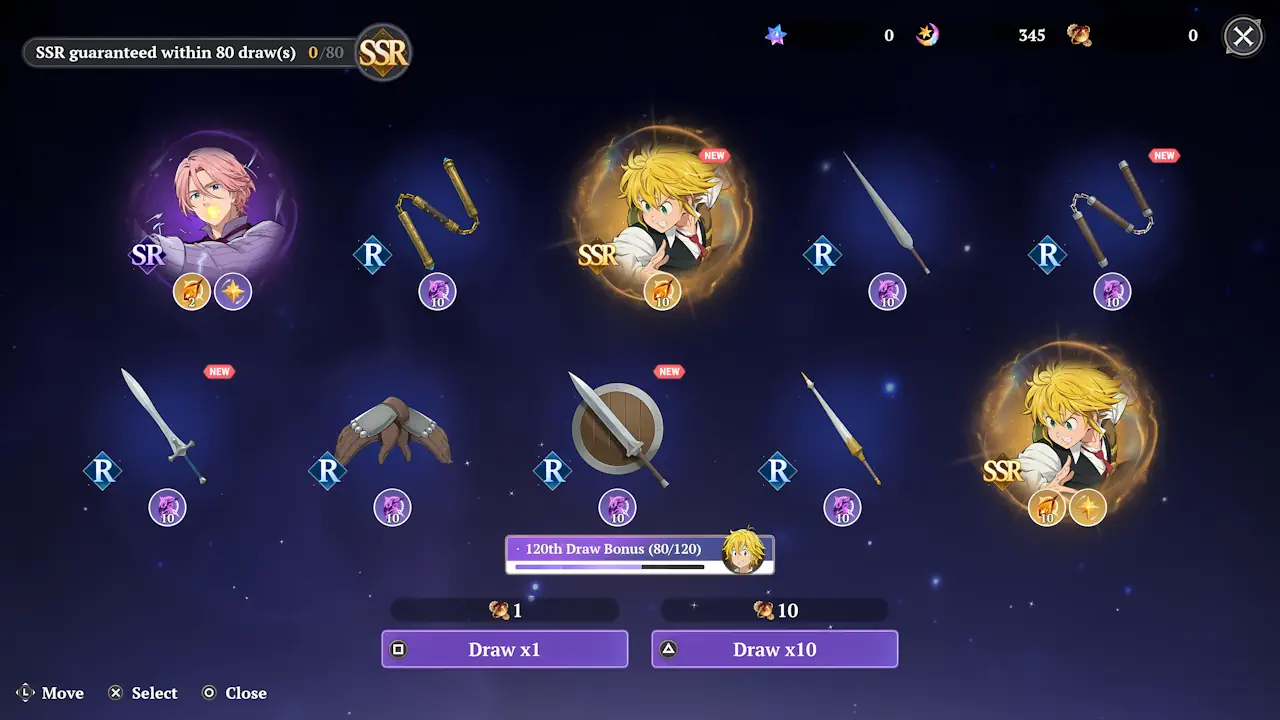
Guaranteed SSR with 50/50 featured chance.
Guaranteed featured SSR if not obtained earlier.
Progression depends more on farming and systems than banner RNG.
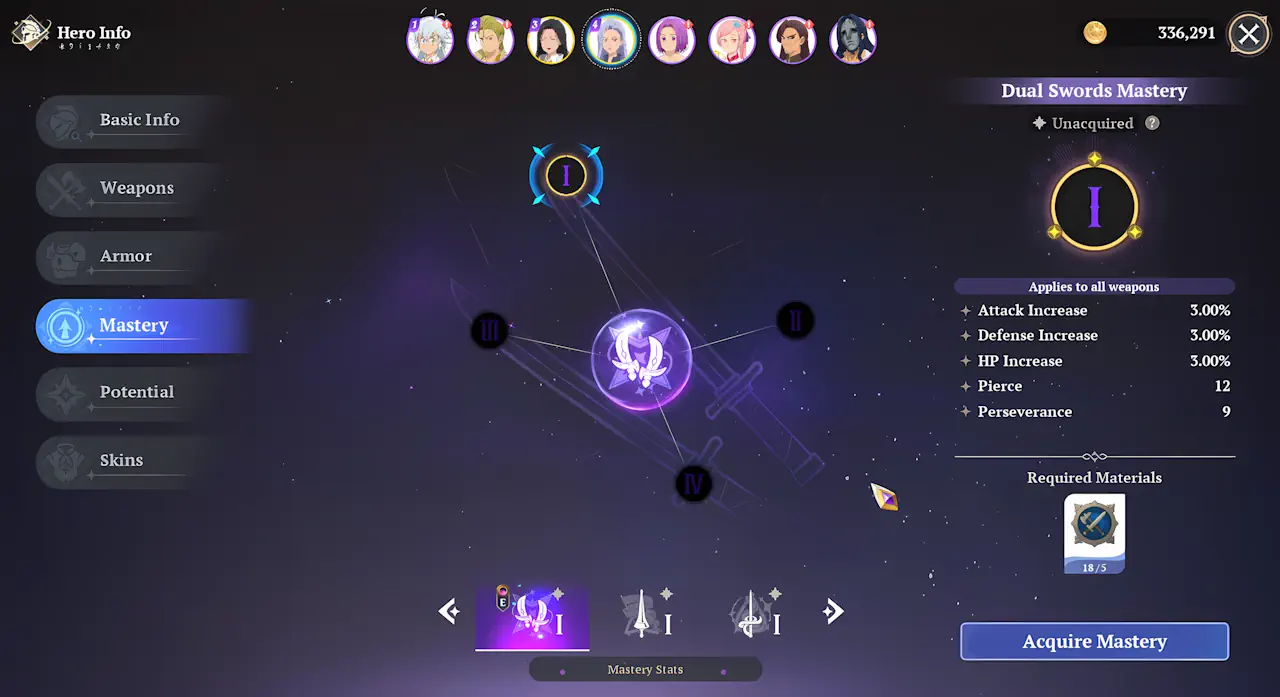
Progression in *Seven Deadly Sins: Origin* works differently from most RPGs. Instead of leveling up characters directly, you upgrade their **weapon slots**. Each character has three weapons, and each one defines their role and abilities. By leveling up these weapons and unlocking their mastery nodes, you increase your character’s stats and effectiveness. This system also rewards you with free duplicates, meaning you don’t have to rely entirely on summoning to strengthen your units. In total, you can obtain multiple free dupes just by progressing through the mastery system.
As you advance further, you’ll unlock additional stat nodes that provide bonuses like critical resistance or defense. These smaller upgrades become especially important in the late game, where optimization matters.
Invest vertically in one main carry first before spreading resources.
Unlock key nodes that improve damage consistency before luxury upgrades.
Use alternate weapon kits to adapt your same unit to different content types.
One of the most important mechanics you’ll encounter is the Burst System. Every character contributes to building an elemental meter, and once it’s filled, you can activate Burst Mode. During Burst, your team gains significant bonuses, including increased damage and enhanced effects. This is where most of your damage will come from, especially in tougher content. Because of this, your team should always be built with Burst in mind. Characters that can charge the meter faster or extend its duration become extremely valuable, even if they aren’t pure damage dealers.
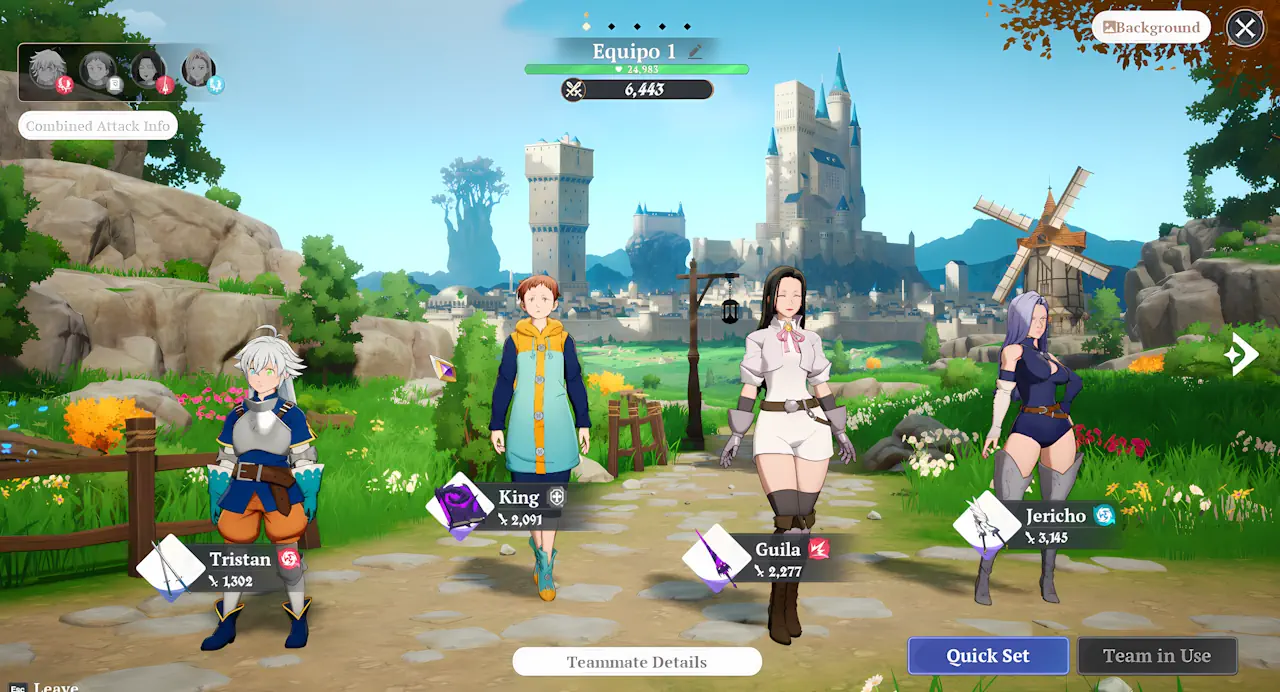
A unique aspect of the game is that each character can fulfill multiple roles depending on the weapon you equip. This means a single unit can act as a DPS, support, or even a healer. Early team quality is less about perfect meta picks and more about synergy: one main damage dealer, one consistency support, and one utility or survival slot is enough to clear most early content.
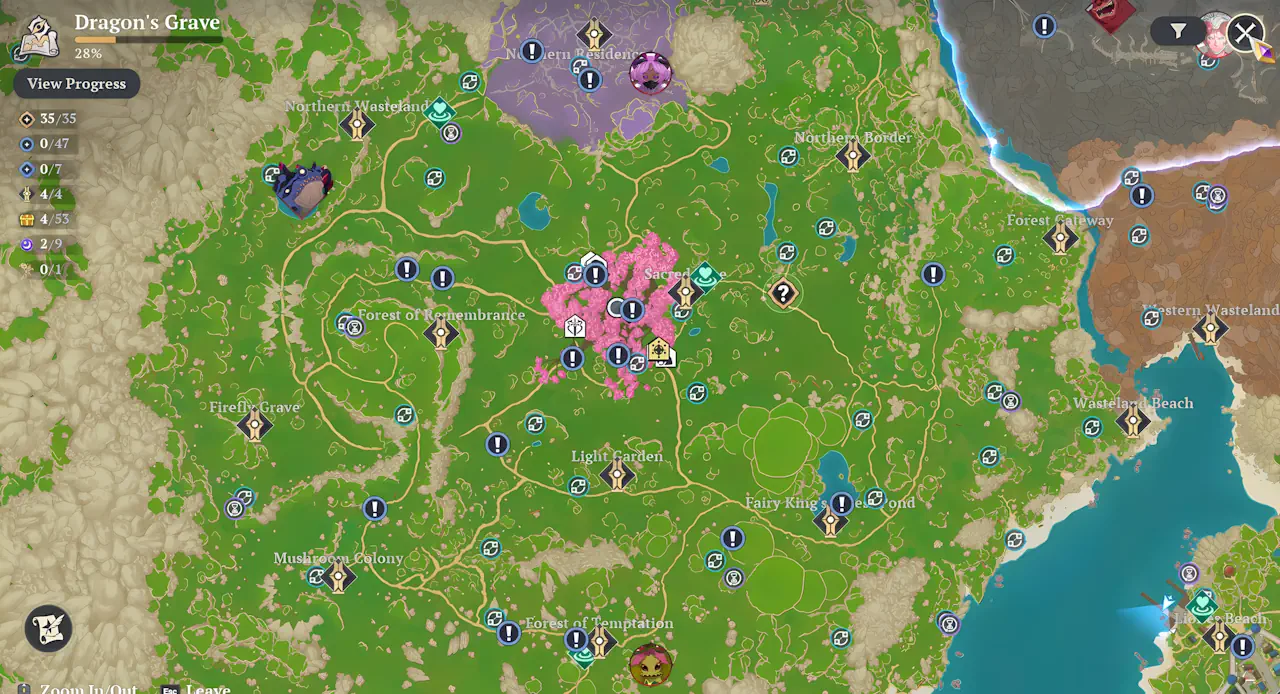
Unlock waypoints aggressively. This is one of the highest quality-of-life upgrades in the entire early game, because it cuts travel time across all future farming routes and side objectives. Story progression should remain your backbone until you hit natural level gates. When blocked, do side content and world activities, then return to story with better account resources. The game map is vast, with hundreds of points of interest filled with chests, materials, and more. It can be a bit overwhelming at first, but as you play and unlock Waypoints, it gets easier.
The Book of Stars functions as your account level and plays a key role in your overall progression. As you level it up, you gain access to more rewards and potentially better drops. Reaching higher world levels increases difficulty but also improves rewards, creating a natural progression loop. Ideally, you want to increase your Book of Stars level steadily without rushing into content that’s too difficult for your current team.
Similarly, be sure to complete the game’s specific progression missions—they reward you with free Summons that let you summon characters and weapons, and they help you level up your account quickly, so don’t overlook them.
Play with up to five players while keeping your full team identity. Co-op is one of the fastest and most fun ways to clear difficult content and farm materials.
Food provides practical combat value through sustain and buffs. Keep simple recipes ready before boss runs.
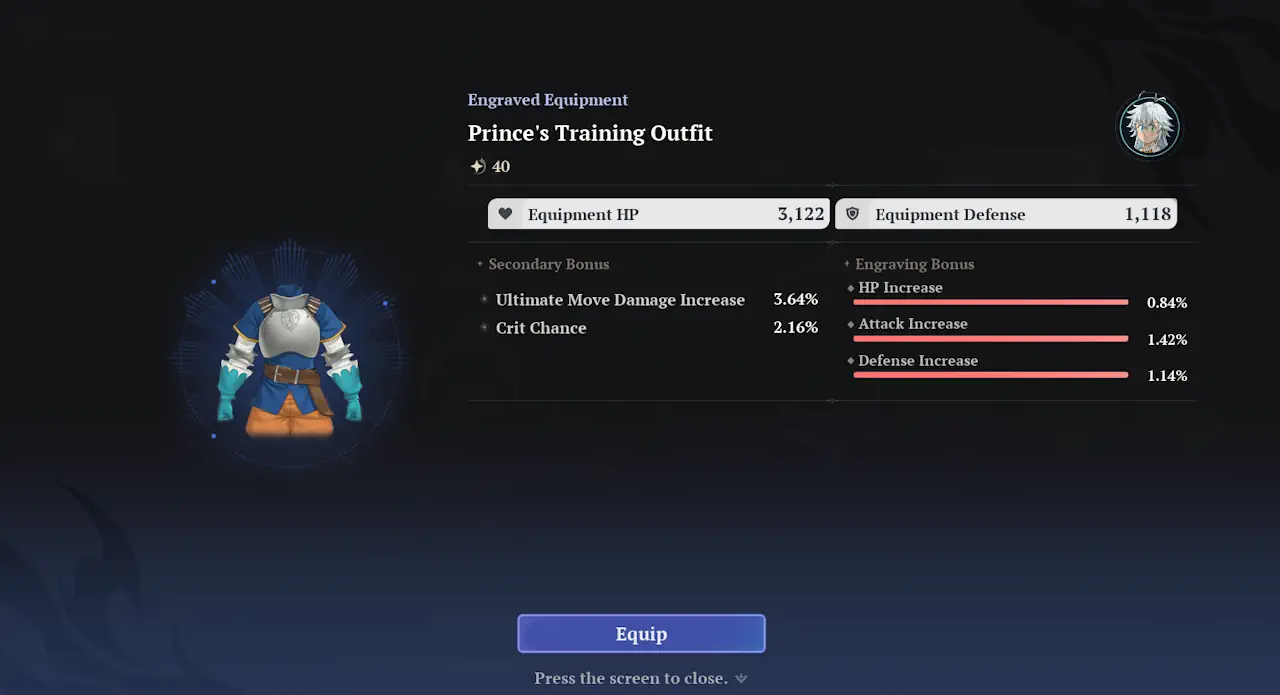
Costumes function as gear pieces with upgrade and substat optimization. Treat this as a long-term power layer, not a day-one min-max target.
Build one stable team first, then optimize niche setups for specific content types.
Use them to progress, but save heavy resources for long-term core characters.
Weapon and mastery progression are central to power scaling in Origin.
Delayed waypoints become a major time loss after the first week.
Spread pulls slow account growth and postpone guaranteed value from pity.